What Extreme Heat Does to Your Home: Garage, Attic, AC, Ductwork, and Power Bills
When summer temperatures rise, most homeowners focus on one thing: keeping the house cool.
But what many people do not realize is that some of the biggest heat problems in a home are happening above the ceiling and inside the garage long before the thermostat reflects it. In extreme summer heat, attics can reach temperatures of 150°F or more. Attached garages can become heat traps that radiate warmth into nearby rooms. And your AC system is forced to work harder against all of it. If your air conditioner runs nonstop, your electric bill keeps climbing, or certain rooms never seem comfortable, trapped attic and garage heat may be part of the problem.
Understanding how extreme heat affects your home can help you protect your comfort, reduce heat buildup, and support your HVAC system during the hottest months of the year.
Why Attic Temperatures Get So Hot in Summer
Many homeowners assume that because their attic has ridge vents, gable vents, or roof vents, hot air is constantly being removed throughout the day. While these vents are an important part of a properly designed attic, they were never intended to actively cool an attic. Their primary purpose is to provide passive ventilation. This helps manage moisture throughout the year by allowing humidity to escape while drawing in outside air through soffit or other intake vents. In cooler climates, this ventilation helps prevent condensation, mold growth, and ice damming. In warmer climates, it still serves an important role in maintaining attic health.
The problem begins during the summer.
As the sun beats down on your roof, attic temperatures can quickly climb to 140-160°F. At that point, the sun is adding heat much faster than passive ventilation can remove it. Because passive vents rely on natural convection and wind, airflow is often limited during the hottest part of the day, especially when there is little or no breeze. The result is that superheated air builds up and remains trapped in the attic for hours.
That trapped heat doesn’t stay in the attic. It radiates into your insulation, heats your ductwork, warms your air handler, increases ceiling temperatures, and forces your air conditioner to work harder to keep your home comfortable. Even after the sun goes down, the attic continues releasing stored heat back into your home.
This is why many homeowners notice:
- Upstairs rooms staying warmer
- AC systems running longer
- Uneven temperatures throughout the home
- Warm ceilings or walls
- Higher summer energy bills
An active attic fan changes this equation. Instead of waiting for nature to move the air, an attic fan continuously exchanges the hot attic air with cooler outside air through the home’s existing intake vents. This constant air movement helps prevent excessive heat buildup before it can be absorbed by the attic’s structure and mechanical systems.
The goal is to continuously remove heat faster than passive ventilation alone can, dramatically reducing peak attic temperatures and protecting your home from the damaging effects of excessive heat.
How Extreme Attic Heat Affects Your Air Conditioner
Your HVAC system already works hard during summer. But when your attic is overheating, your AC has to fight additional heat stress every single day. Many air conditioners and ducts are installed in the attic. When those components are surrounded by 150-degree temperatures, the cooled air traveling through them can be impacted by the extreme heat around them.
This forces the AC system to:
- Run longer cooling cycles
- Work harder to maintain indoor temperatures
- Struggle during peak afternoon heat
- Increase overall energy usage
Many homeowners assume their AC unit is failing when the real issue may be the heat load building above the ceiling. That is why attic ventilation becomes so important during extreme summer temperatures. Removing trapped attic heat helps reduce the pressure placed on the cooling system.
Why Garage Heat Is a Bigger Problem Than Most Homeowners Realize
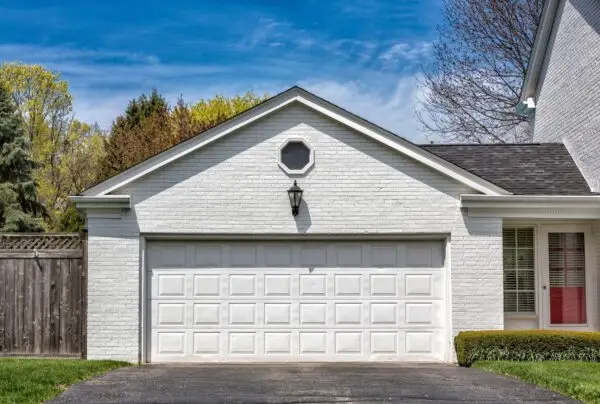
An attached garage can become one of the hottest areas of the home during summer. When hot air gets trapped inside the garage all day, that heat does not simply stay there. It spreads into surrounding spaces and contributes to overall heat buildup around the home.
This is especially noticeable in:
- Rooms above the garage
- Shared walls between the garage and living space
- Entryways connected to the garage
- Garage ceilings attached to attic space
If your garage feels like an oven every afternoon, your home may also be feeling the effects.
Heat buildup inside garages can also affect your stored belongings, tools and equipment, garage refrigerators and freezers, workout spaces, workshops and, and electric vehicle chargers.
Proper garage ventilation helps reduce stagnant heat and improve airflow during peak summer conditions.
How Ventilation Helps Reduce Heat Buildup
Ventilation helps remove trapped hot air before it continues spreading through the home. At CMG, our ventilation systems are designed to help homeowners improve airflow and reduce extreme heat buildup in attics and garages.
AF-14 Attic Fan
The AF-14 is designed to help remove trapped attic heat through the home’s existing roof ventilation system.
Benefits of attic ventilation may include:
Reduced attic heat buildup
Better airflow inside the attic
Support for AC performance
Reduced heat around ductwork
Improved comfort during peak summer heat
AGF-14 Attic + Garage Ventilation Fan
The AGF-14 pulls hot garage air upward into the attic, then out through the attic’s existing ventilation path to help reduce attic and garage heat buildup. This system is especially helpful for attached garages where trapped heat impacts nearby living spaces.
Intake Grills
Fresh airflow matters. Our intake grills help allow fresh air into the ventilation cycle, improving airflow movement and supporting overall ventilation and cooling performance.
SWGF-14 Sidewall Garage Fan
For detached garages, workshops, sheds, and workspaces without attic access, the SWGF-14 helps exhaust trapped heat directly outside.
Signs Your Home May Have a Heat Ventilation Problem
Many homeowners live with attic and garage heat problems without realizing it. Common signs include:
- AC running constantly
- Extremely hot attic temperatures
- Hot garage that never cools down
- High summer electric bills
- Warm rooms upstairs
- Room above garage staying hot
- Uneven temperatures throughout the house
- Garage too hot to use comfortably
- AC struggling during afternoon heat
If these problems sound familiar, your home may benefit from improving your existing attic ventilation.
The Cost of Ignoring Extreme Heat
The longer trapped heat builds inside your attic and garage, the harder your home systems must work to keep up.
Extreme heat can contribute to:
Increased AC runtime
Higher energy costs
Greater HVAC strain
Reduced comfort
Excessive heat surrounding ductwork
Overheated garage spaces
The goal is not just cooling. It is helping your home manage heat more effectively during the hottest part of the year.
Your home does not just need colder air. It needs a way to release trapped heat. The combination of attic ventilation, garage ventilation, and improved airflow can help support comfort during peak summer heat while reducing the burden placed on your AC system.
CMG ventilation solutions are designed to help homeowners address heat where it starts. because your AC should not have to fight summer heat alone.